|
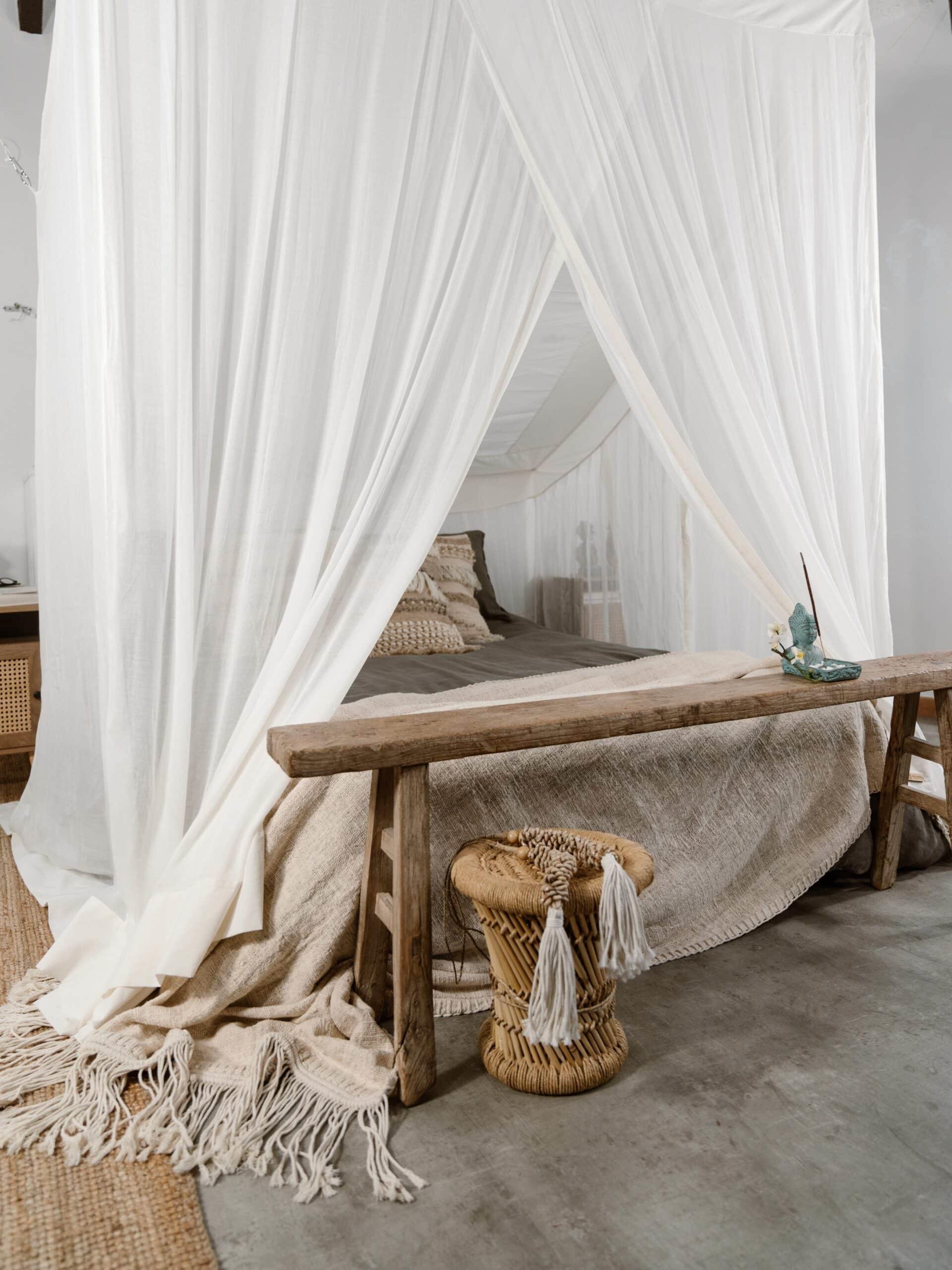
A restful bedroom is rarely created by one dramatic change. More often, it grows from a series of deliberate choices: softer materials, fewer visual distractions, better airflow and objects that serve both a practical and aesthetic purpose. Brands such as nusarah.com approach the bedroom from exactly that perspective, combining handcrafted design with a focus on comfort, durability and a connection to natural materials. Start with the atmosphere, not the furnitureWhen people redesign a bedroom, they often begin with the largest objects. The bed, wardrobe and bedside tables receive most of the attention, while the atmosphere is treated as something to solve later. Reversing that order can lead to a more coherent result. Think first about how the room should feel when you enter it. Calm? Airy? Warm and cocooning? Once that feeling is clear, materials and shapes become easier to choose. Natural cotton, textured fabrics, wood and muted surfaces tend to soften a room without making it visually heavy. A restrained palette also creates space for smaller handcrafted details to stand out. This approach is especially useful in bedrooms where architecture already creates visual tension. Sloping ceilings, angled walls or exposed beams can make a room feel busy. Instead of fighting those features, soft textiles can balance them. A mosquito net can become part of the interiorA mosquito net is usually associated with practical insect protection, but its influence on a bedroom extends much further. A well-proportioned design adds height, movement and softness around the bed. It can visually separate the sleeping area from the rest of the room without building a solid barrier. That makes a mosquito net interesting even in interiors where insects are not the only concern. The fabric creates a subtle boundary around the bed and can make the sleeping area feel more sheltered. At the same time, the effect remains light because the material still allows air and light to move through the room. The choice of material matters. Natural cotton has a soft, tactile character and suits bedrooms where warmth and texture are important. Fine polyester offers a cleaner, more structured appearance and is easier to keep visually crisp. Neither option is universally better; the right choice depends on the atmosphere, use and maintenance you prefer. Look beyond appearance when choosing textilesTextiles are close to the skin, influence airflow and occupy a surprisingly large part of the visual field. Choosing them purely by colour can therefore be limiting. Construction, origin and expected lifespan deserve equal attention. A more considered bedroom often includes materials selected for several reasons at once:
These choices do not need to make a room look rustic or overtly sustainable. Responsible design can still feel refined. In fact, careful finishing and longevity often contribute directly to a more luxurious appearance. Small-batch craftsmanship changes the character of a productMass production is efficient, but it can also remove some of the individuality from interior objects. Small-batch craftsmanship works differently. When products are cut, sewn and checked by people working at a smaller scale, subtle variations and careful finishing become part of the object rather than imperfections to eliminate. For a bedroom, that difference can be meaningful. This is an intimate space, so objects with a visible sense of care often feel more appropriate than disposable decorative trends. Handcrafted details also work particularly well when the rest of the room is restrained. A tassel, a canvas edge or a neatly finished cotton border can become noticeable precisely because it is not competing with dozens of other accents. Ethical production adds another layer to that choice. Knowing that makers work under good conditions and receive fair compensation gives the object a context beyond its appearance. For many people, that connection between craftsmanship and responsibility is becoming part of what quality means. Extend the same principles to outdoor spacesThe idea of creating a sheltered, calm environment does not have to stop at the bedroom door. Patios, balconies and pergolas can benefit from the same combination of softness and function. Outdoor textiles need different properties because they are exposed to wind, humidity and changing temperatures. Stronger fabrics, reinforced edges and durable canvas details make more sense here than delicate indoor finishes. An outdoor mosquito net can create a defined area for dining, reading or resting while maintaining the open character of the garden or terrace. The important point is consistency. When indoor and outdoor spaces share similar materials, textures and muted tones, they begin to feel like parts of the same home rather than separate design projects. Build a bedroom around fewer, better objectsA calm room does not require emptiness. It requires clarity. Instead of filling every surface, choose objects that contribute something meaningful through comfort, function, material or craftsmanship. A cotton throw can provide warmth and texture. A handcrafted mosquito net can combine insect protection with visual softness. A reusable storage bag can make seasonal care easier. Natural fragrance can influence the atmosphere without adding visual clutter. The strongest interiors often emerge when these elements work quietly together. Fewer, better objects leave room for texture, light and proportion to do more of the work, while thoughtful materials help the bedroom remain comfortable and relevant beyond a single trend cycle. |